

Message of the Month
Ver en Español
Sincerely, Ricardo Real – CEO Aerocardal
Industry News
LATAM Increased Its Capacity in July and Carried Nearly 7 Million Passengers
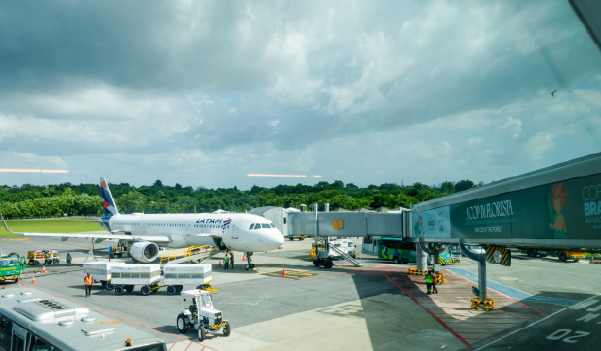
LATAM carried nearly seven million passengers in July and increased its consolidated capacity by 7.5% compared to the same period last year. Growth was driven primarily by international operations, which increased capacity by 9.1%, along with expanded capacity in the region’s domestic markets.
During the period, the group also continued to strengthen its international connectivity with the launch of the São Paulo–Brussels route, while its cargo operations reached a capacity of 698 million ATKs. These figures reflect the evolution of regional air travel and the industry’s efforts to expand capacity and connectivity.
Chile Increases Airspace Efficiency with More Simultaneous Approaches at Santiago Airport

Ministry of Public Works Highlights 60% Progress in the Modernization of Valdivia Aerodrome

Chile’s Ministry of Public Works reported that modernization works at Pichoy Aerodrome in Valdivia have reached 60% completion. The project includes improvements aimed at strengthening airport infrastructure and addressing the connectivity needs and growth of aviation activity in the Los Ríos Region.
The terminal expansion is expected to be inaugurated during the first half of 2027 and is part of a broader transformation of the facility. The initiative reflects the importance of continuing to develop regional airport infrastructure to strengthen air connectivity throughout the country.
LATAM Secures US$505 Million in Financing to Support Fleet Growth and Renewal

LATAM Airlines Group secured approximately US$505 million in financing to support the addition of 11 next-generation aircraft during the second half of 2026. The operation includes Airbus A320neo, A321neo, and Embraer E195-E2 aircraft as part of the group’s fleet growth and renewal strategy.
The company expects to add 28 new aircraft before the end of the year and projects that its fleet will exceed 410 aircraft by the end of 2026. Part of the financing is linked to sustainability targets, incorporating incentives related to reducing the company’s CO₂ emissions intensity.
Featured Services

Flights to Juan Fernández: Scheduled and Charter Services
Connect with the Juan Fernández Archipelago (Robinson Crusoe Island) with Aerocardal’s standards of safety and professionalism. We offer scheduled passenger flights with established itineraries, as well as private charter options for complete flexibility in dates and logistics, ideal for tourists, business travelers, and work teams.

Aeromedical Transport: Airborne Intensive Care Unit (ICU)
Our aeromedical service operates with aircraft configured as fully equipped Intensive Care Units (ICUs). We ensure the safe and efficient transport of stabilized critically ill patients — adults, pediatric, and neonatal — reaffirming our humanitarian mission and our ability to operate complex routes both domestically and internationally.

